African Lion Embroidery Design Review
First Impressions: Bold, Warm, and Unmistakably Wild
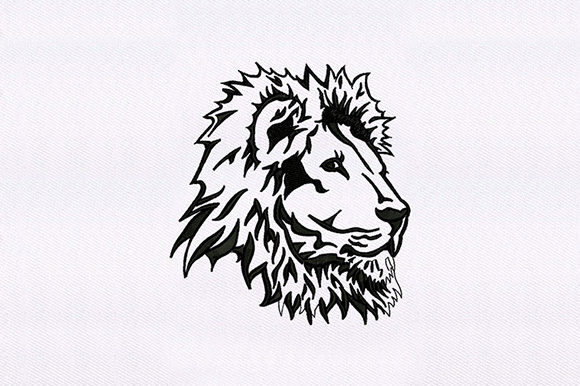
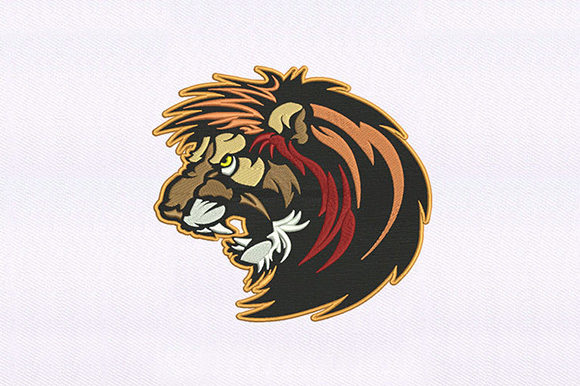
When I opened the African Lion embroidery file for the first time, what struck me wasn’t just the silhouette—it was the quiet confidence in its posture. This isn’t a roaring, aggressive lion; it’s a calm, grounded presence—head slightly turned, mane softly layered, eyes subtly defined. The design leans into organic flow over sharp geometry, with gentle curves in the jawline and thoughtful spacing between mane strands. It feels like a hand-drawn sketch translated thoughtfully into stitch logic—not overly detailed, but never simplistic. That balance makes African Lion instantly adaptable: equally at home on a baby onesie as it is on a linen tea towel for a boutique kitchen line.
Real Project Test: A Custom Linen Tote Bag for a Local Bookstore
Last week, I used African Lion to embroider a set of 14” x 16” linen tote bags for a neighborhood indie bookstore launching an “Wild Reads” summer campaign. We chose natural undyed linen—textured, slightly uneven, and unforgiving if stitch density or stabilizer is off. I hooped medium-weight cutaway stabilizer, tested on scrap first (non-negotiable), and ran the design in matte cotton thread—charcoal gray for the mane, warm tan for the face, and deep amber for subtle eye highlights. The result? Crisp satin-stitched edges held beautifully, fill stitches laid flat without pilling, and the lion’s expression remained legible even at 4.5 inches wide. Customers responded immediately—not just to the animal, but to how *crafted* it felt. That warmth and intentionality is hard to fake. It elevated the whole handmade product from “nice” to “thoughtfully made.”
Where African Lion Shines—and Where It Needs Careful Handling
African Lion performs best when given room to breathe. On custom apparel like sweatshirts or structured tote bags, its confident scale and balanced negative space create instant visual impact. It’s ideal for embroidered patch applications—clean outlines mean easy peel-and-stick backing prep—and works especially well on midweight woven fabrics like canvas, twill, or stable cotton blends.
That said, I’d approach tighter applications with caution:
- Small hoop sizes (under 4”): The mane detail begins to compress; test before committing to caps or tiny baby bibs.
- Stretchy or thin fabrics: Avoid on lightweight knits without heavy stabilization—the fill areas can distort under tension.
- Dark or heavily textured backgrounds: The design relies on tonal contrast, not heavy outlining. On black fleece or bouclé, consider adding a subtle running-stitch border in a lighter thread during digitizing—or opt for a version with built-in underlay (check your file variants).
- Curved surfaces (like structured caps): The lion’s horizontal orientation means you’ll need precise placement and possibly re-hooping for symmetry. Not impossible—but not “drop-in-and-stitch” easy.
Design Intelligence You Can Feel in the Finished Product
What sets African Lion apart isn’t novelty—it’s execution. The stitch density avoids overcrowding, so it holds up through repeated washing (critical for baby embroidery or kitchen towels). There’s no unnecessary travel stitching, which reduces thread breaks and machine noise. The satin-stitched mane edges are tapered—not blunt—so they drape naturally across fabric grain. And because the design avoids micro-details (no individual whiskers, no intricate shading gradients), it scales reliably across formats—from a 3-inch pocket accent to a 7-inch pillow cover centerpiece.
This translates directly to customer trust. When a buyer sees this on an Etsy listing or boutique shelf, they don’t just see a lion—they register craftsmanship, clarity, and care. That perception lifts perceived value, supports premium pricing, and strengthens brand consistency across your craft business. For holiday embroidery or personalized gifts, that emotional resonance matters more than perfect realism.
Practical Notes Every Designer & Seller Should Run Through
Before using African Lion in any project—personal or commercial—here’s my checklist:
- Test on scrap fabric first, especially if pairing with new stabilizer or thread brands.
- Review stitch density visually in your embroidery software—look for tight clusters near the ear base or inner mane that may need slight adjustment for delicate fabrics.
- Confirm hoop size compatibility—the design fits standard 5” x 7” hoops comfortably, but verify dimensions in your native format (PES, DST, VP3, etc.) before loading.
- Inspect small details in black-and-white mockups. Does the eye retain shape on dark fabric? Does the jawline read clearly at 3 inches?
- Use proper stabilizer for your substrate: Cutaway for knits, tear-away for stable wovens, and soft stretch for baby items.
- Check licensing terms before selling finished items or digital embroidery files—this is a machine embroidery design intended for physical use, but commercial rights vary by vendor.
- Compare light/dark background mockups before finalizing your Etsy seller photos or printable mockup bundle.
Final Thought: A Design That Sells Itself—When Used With Intention
African Lion won’t shout. It doesn’t need to. Its strength lies in quiet authority—clean lines, smart digitizing, and a mood that bridges wildness and warmth. It’s the kind of embroidery file that makes customers pause mid-scroll, imagine it stitched onto their favorite apron or gifted to a new parent, and think, “Yes—that feels right.” Whether you’re an Etsy seller building a nature-themed collection, a small shop owner curating boutique branding, or a designer sourcing reliable digital embroidery files for client work, African Lion earns its place not as decoration—but as intentional design language. Use it where authenticity matters. Stitch it where quality shows. And always—test first.