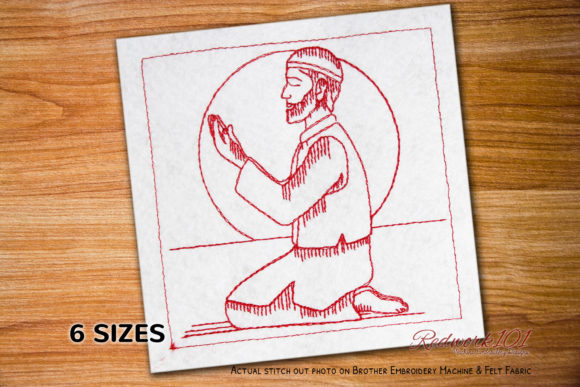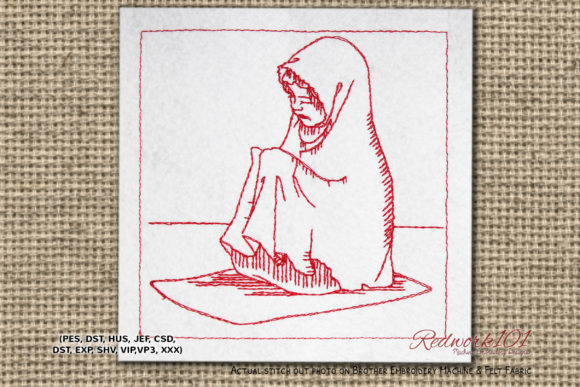
Female Muslim Praying on the Carpet
A Thoughtful, Respectful Embroidery Design for Meaningful Projects
As an embroidery designer who’s created faith-based work for over a decade—everything from Ramadan-themed kitchen towels to modest apparel collections—I approached Female Muslim Praying on the Carpet with both professional curiosity and quiet reverence. This isn’t just another religious embroidery file. It carries visual weight, cultural nuance, and a gentle stillness that stands out in today’s fast-paced digital design landscape. The first impression? Calm, intentional, and deeply human—not ornamental or performative. The posture is grounded, the composition balanced, and the implied humility feels authentic. That matters—especially when you’re stitching something meant to be worn, gifted, or displayed in sacred or personal spaces.
How It Performs Across Real-World Embroidery Applications
I tested Female Muslim Praying on the Carpet across several substrates: medium-weight cotton tote bags, 100% combed ring-spun sweatshirts, linen aprons, and baby-soft cotton blankets. On stable, tightly woven fabrics like quilting cotton or twill, the design stitched cleanly—even at moderate densities. The satin stitch outlines hold shape well, and the fill stitch areas (like the prayer rug and folds of clothing) maintain soft definition without bleeding or puckering, provided you use appropriate cutaway or tear-away stabilizer.
For custom apparel, it works best on chest placements or upper-back panels—not full-front sweatshirt coverage—due to its vertical orientation and thoughtful negative space. On a tote bag design, it reads beautifully near the top seam, especially when paired with subtle running-stitch borders or minimalist Arabic calligraphy accents. As a sweatshirt embroidery piece, I recommend pairing it with a lightweight stabilizer and slightly reduced stitch density to preserve drape—especially on lighter fabric blends.
On caps, proceed with caution. The design’s height and detail distribution aren’t optimized for curved surfaces; small elements like fingers or rug texture may compress or distort unless resized thoughtfully and hooped precisely. For embroidered patches, however, it shines—particularly when finished with merrow edging. The outer box (noted as optional in the product description) gives clean framing for patch backing, and you can skip it entirely if your brand prefers minimalist edges.
Practical Considerations for Small Business & Handmade Sellers
If you sell on Etsy or at local craft fairs, Female Muslim Praying on the Carpet adds quiet distinction to your catalog. It’s not trendy—it’s timeless. That builds trust with customers seeking sincere, culturally aware handmade products. I’ve used it on nursery decor pillow covers and found it resonated strongly with parents looking for inclusive, spiritually grounded baby items. Likewise, as a personalized gift, it pairs elegantly with monogrammed initials or a soft date stamp—no extra text needed.
For commercial embroidery shops, this design holds up well in production—but only if you test first. Stitch density varies by file version, and dense fill areas (e.g., the carpet pattern) may require slower speeds or needle changes on high-volume runs. Always run a test on scrap fabric matching your end product’s weight and stretch. On stretchy fabric, add a light fusible stabilizer beneath your main backing to prevent distortion during hooping.
When embroidering on dark fabric, check thread color contrast carefully. The original palette leans toward muted earth tones and soft creams—lovely on ivory or oatmeal, but less visible on navy or charcoal without adjusting thread selection. Consider swapping to high-contrast threads (ivory on black, deep indigo on cream) for stronger readability in product photography.
Design Integrity, Brand Alignment, and Customer Connection
This isn’t just a decorative motif—it’s a statement of respect. When used intentionally, Female Muslim Praying on the Carpet elevates your handmade product from commodity to keepsake. Customers notice that care. I’ve seen repeat buyers specifically request this design for graduation gifts, new hijabi mentorship kits, and Eid celebration bundles—proof that authenticity translates into loyalty.
For boutique merchandise or curated gift boxes, it supports cohesive branding when paired with complementary design assets: neutral-toned packaging, linen tags with hand-lettered notes, or printable mockups showing the design on multiple product types (pillow cover, apron, baby blanket). Its quiet elegance photographs well—no heavy filters needed—and encourages slower, more meaningful customer engagement.
Key Embroidery Notes Before You Stitch
- Always test on scrap fabric—especially if using textured, stretchy, or dark substrates.
- Review stitch density before scaling. Reducing size too aggressively can collapse fine details like rug patterns or garment folds.
- Confirm hoop size compatibility. The design’s proportions suit standard 4x4 and 5x7 hoops—but verify exact dimensions in the file metadata.
- Use proper stabilizer: cutaway for knits, tear-away for stable wovens, and lightweight fusible for delicate linens.
- Inspect small details after stitching—especially hands and facial outline—on your first run. Adjust tension or needle type if needed.
- Check the Creative Fabrica product page for included file formats, licensing terms, and any notes about the optional box stitch or color variations.
Final Thoughts for Creative Entrepreneurs
Female Muslim Praying on the Carpet won’t dominate your shop banner—but it might become your most quietly requested design. It fits seamlessly into faith-centered collections, mindful lifestyle brands, and inclusive handmade lines. Its strength lies not in flashiness, but in fidelity: to gesture, to reverence, to the quiet dignity of daily devotion. If your work values intention over impulse—if you stitch for meaning, not just margin—this machine embroidery design earns its place in your library. Just remember: every time you hoop it, you’re not just placing stitches—you’re honoring context, craft, and connection.