Tree Perched Owls: A Craft Fair-Ready Embroidery Design
First Impression: Whimsical, Timeless, and Booth-Ready
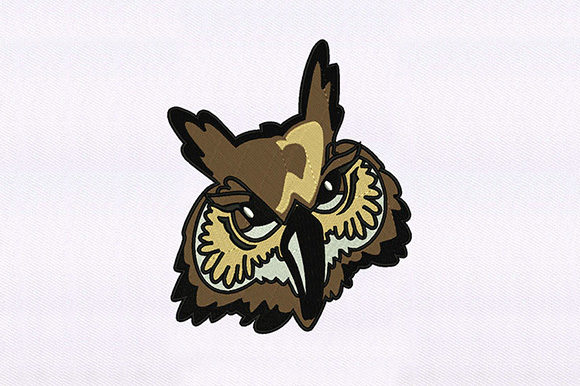
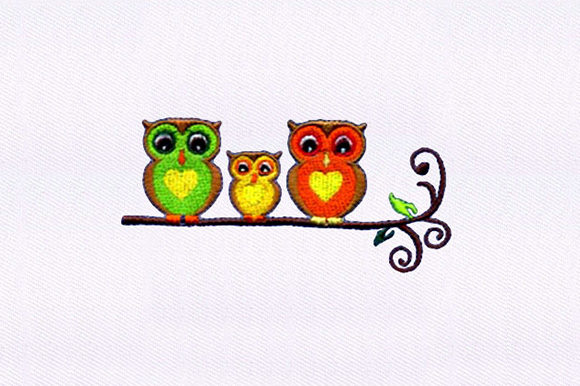
As an embroidery designer who’s prepped over 200 craft fair booths—and watched which designs fly off the table versus which linger in the bin—I opened Tree Perched Owls with quiet optimism. The title alone evokes soft storytelling: grounded branches, watchful birds, gentle rhythm. It’s not loud or trendy—it’s enduring. Think farmhouse charm meets modern minimalism, with a whisper of woodland elegance. No cartoonish grins or exaggerated poses—just serene, balanced composition. That matters. At a crowded handmade market, customers don’t stop for chaos. They pause for calm confidence. Tree Perched Owls delivers that at a glance.
Where It Shines: Product-by-Product Real Talk
This machine embroidery design thrives where character meets utility. On a natural canvas tote bag? Instant charm—centered above the pocket or scaled large across the front, it reads clearly from six feet away. As apron embroidery? Perfectly placed on the chest pocket or lower left corner, it adds artisanal warmth without overwhelming function. For tea towel embroidery? Ideal near the top hem or corner—its clean lines hold up beautifully against textured terry cloth, especially when stitched with matte cotton thread.
Embroidered patches made from Tree Perched Owls are booth gold. Cut, fused, and sewn onto denim jackets or market bags, they become tactile conversation starters. Small fabric pouches and pillow covers benefit most from its balanced negative space—no crowding, no visual fatigue. Even on curved surfaces like caps, this design adapts well *if* hooped carefully and digitized with gentle curve compensation (check your DST or PES file notes).
For Etsy sellers and digital designers: Tree Perched Owls is a strong candidate for printable mockups. Its silhouette is distinct enough to pop in lifestyle photos—think rustic kitchen shelf, sunlit booth backdrop, or flat-lay gift bundle. As a small shop product, it supports brand consistency: pair it across tea towels, patches, and pouches, and you’ve built a cohesive Birds-themed collection without repeating the same motif twice.
What Makes It Sell—Beyond Cuteness
Sales aren’t driven by “aww” alone. They’re driven by clarity, confidence, and craft. Tree Perched Owls works because it’s instantly legible—even at 3 inches wide. No tiny beaks or feather filigree that blurs on dark fabric or vanishes on thick linen. It scales gracefully: as a 2-inch accent on a patch, it’s charming; as a 6-inch focal on a pillow cover, it’s commanding. That versatility means fewer design SKUs, faster batch production, and stronger visual rhythm across your booth display.
Customer attention locks in when embroidery feels intentional—not busy, not sparse, but *considered*. This design nails that. Its stitch density appears moderate (no heavy fill traps or thread buildup), so it presses cleanly and photographs crisply for online listings. Buyers associate that polish with handmade quality—and willingness to pay premium pricing.
Careful-Use Notes: Protect Your Production & Reputation
Before stitching your first dozen, test Tree Perched Owls on scrap fabric that matches your final product: heavyweight canvas for totes, terry for tea towels, twill for caps. Pay special attention to:
- Dense stitch areas: If your file includes layered branch textures or feather shading, confirm stabilizer support—lightweight cutaway works best for structured items; tear-away suffices for smooth cottons.
- Fabric texture: Highly napped or looped towels may obscure fine branch details—opt for simplified versions or increase stitch length slightly.
- Dark fabric: Use high-contrast thread colors (ivory, mustard, sage) to maintain definition—avoid black-on-charcoal unless the design includes bold outlines.
- Small sizes: Below 2.5 inches, avoid using it on curved surfaces (like cap fronts) where distortion risks muddying the owl’s expression.
Designer-to-Designer Practical Checklist
You wouldn’t launch a new craft fair product without testing—so treat Tree Perched Owls like a live prototype:
- Run a test stitch on your target fabric + stabilizer combo.
- Compare thread colors across three fabric bases (cream, charcoal, oat)
- Verify hoop size compatibility—some Birds category files require 5x7" minimum; double-check your ART, PES, or VP3 header notes.
- Inspect spacing between tree limbs and owl bodies—tight gaps can cause thread nesting on dense machines.
- Create at least one real mockup: stitch it, press it, photograph it in natural light, and hold it beside your other bestsellers. Does it hold its own?
- Confirm commercial licensing status—this is a machine embroidery design intended for finished product resale, but always verify permissions before mass-producing for Etsy or wholesale.
Final Thought: It’s Not Just a Design—It’s a Booth Anchor
In my decade of designing for handmade markets, I’ve learned that standout embroidery doesn’t shout—it settles in. Tree Perched Owls settles in. It invites touch, rewards closer looking, and quietly signals care in every stitch. Whether you’re an Etsy seller building a signature line, a boutique maker curating giftable handmade products, or a craft fair veteran refreshing your spring booth, this embroidery file earns its place—not as filler, but as foundation. It pairs effortlessly with neutral palettes, complements botanical prints, and never competes with your story. It simply lets your craftsmanship speak louder.
So go ahead—hoop it, test it, stitch it, and watch how often someone points, smiles, and says, “I need that on my tote.” That’s not luck. That’s Tree Perched Owls, doing exactly what a smart, sale-ready machine embroidery design should do.